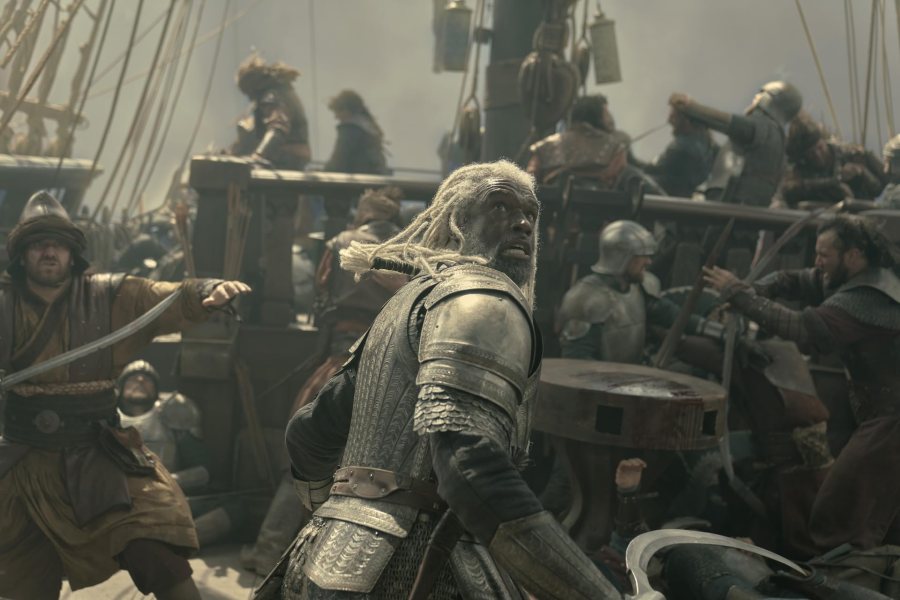
House of the Dragon: S3, E1 Salt and Sea, Fire and Blood Review
And House of the Dragon is back for Season Three! Unfortunately, Season Three, Episode One is more of a Season 2, Episode Nine.
In House of the Dragon‘s adoption of Game of Thrones‘ episode format, HotD also adopted the concept of the penultimate Episode Nine playing as the climax to the Season with Episode Ten playing as the resolution to said Season.
While there is a bit of hearsay as to why Season Two was cut two episodes shorter than Season One, we have Director Alan Taylor in an interview with GoldDerby discussing the cuts:
…because we were going to originally do 10 episodes, and we cut it down to eight episodes. I was going to do Episode 9, so I had to jump around and find a new chair to sit in, and I wound up getting 204, The Red Dragon and the Gold…
I absolutely adored The Red Dragon and the Gold. It was the first episode, out of the entire Game of Thrones Universe, which delivered on the true horror of dragon warfare. Watching Ser Criston Cole navigate a fight on the ground while struggling to survive devastation equitable to combat drones duking it out delivered on an allegorical level always promised by dragons in HotD. For better and for worse, The Red Dragon and the Gold was the highlight of Season Two.
Where Season Two fell short of the prior season was Season One’s format. Smarter people than me have already pointed out how Season One of House of the Dragon was Game of Thrones meets The Queen. Each episode in Season One was able to serve as a vignette at an important point in Rhaenyra and Alicent’s lives as they grew into powerful players who would eventually be at odds with one another. Season Two abandoned this format altogether for the linear format of Game of Thrones where every episode jumps from location to location to follow our cast. As a result, there was a bit of downtime in Season Two which could have been used to better flesh out both of the causes. Unfortunately, a lot of the characterization added in Season Two paled in comparison as much of the additions felt thinly written as much back and forth was needed due to the new format.
More often than not, Season Two had begun to spin it’s wheels while building toward the next big battle. This would not come until two years later with Season Three, Episode One Salt and Sea, Fire and Blood.
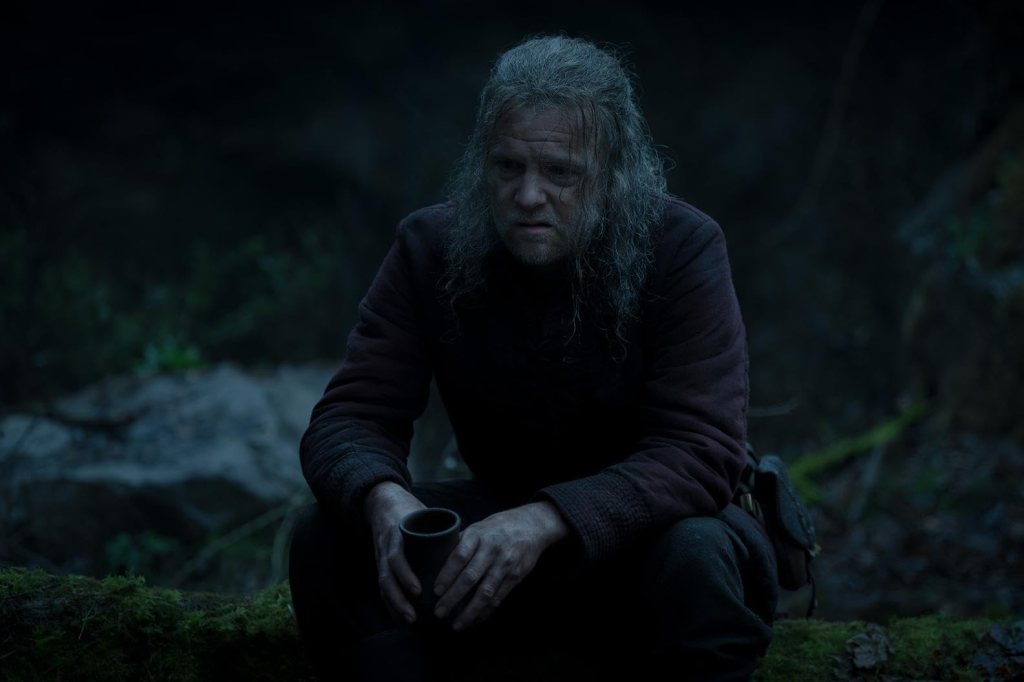
Before we can get to the Battle of the Gullet, we have to reacquaint ourselves with where everyone is and what they have been up to. For the most part, Game of Thrones generally treated us with a character-greeting scene in the first episode of a new season. Unfortunately, House of the Dragon does not take it on itself to realign us with our characters because the entire episode barrels toward this eventual battle.
House of the Dragon often has difficulty building to these epic moments because the ensemble of characters are often motionless in their goals and ambitions until the very moment a decision is needed to allow a climax of action to unfold. Characters are beholden to the plot rather than the plot being beholden to our characters. Rhaenyra, Alicent, and their various advisors more often feel hesitant to do or say anything which could be perceived as meaningful. Almost as if there is a fear of portraying as similar to Daenerys or the actions which led to here downfall.
I’m getting ahead of myself that is a much needed conversation when discussing the next episode of Season Three. How about we discuss the Battle of the Gullet?
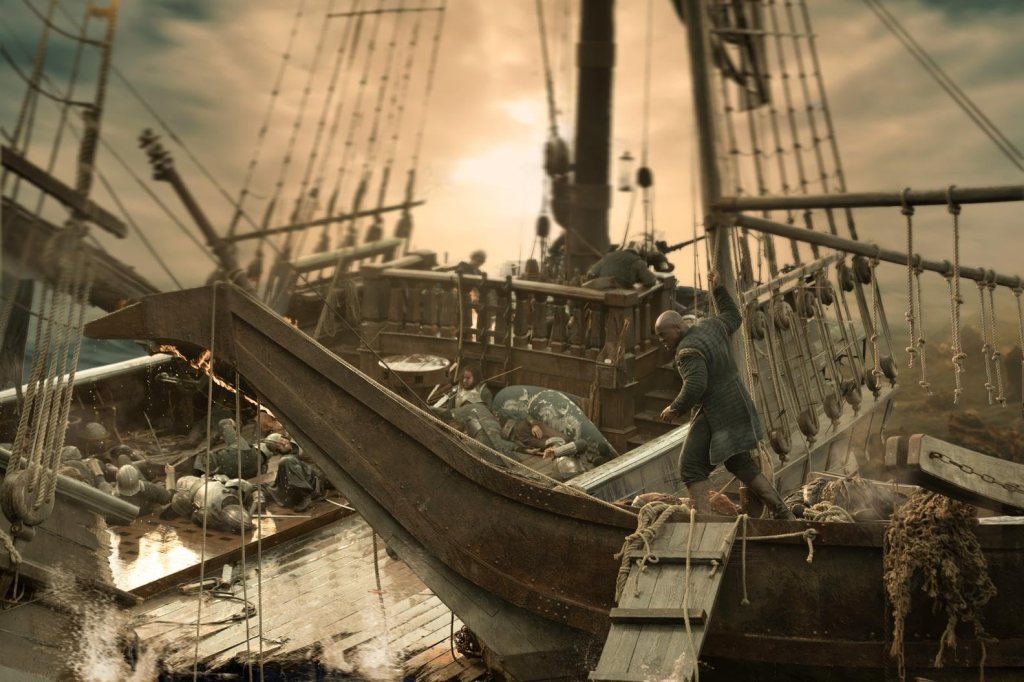
The saving grace of Salt and Sea, Fire and Blood is the Battle of the Gullet. Corlys battle against the Triarchy wouldn’t work so well without his heart to heart he has with Alyn moments prior. Corlys has no doubt made many regrets throughout his lifetime and here everything comes to a head.
These pirates are explicitly here to enact revenge on Corlys with no other reason in aiding the Greens in their campaign against the Blacks. Lohar’s plan is to set High Tide, the seat of the House Velaryon, ablaze. Almost all in one moment we see Corlys admit his failure as a father to a son who despises him and then see his home set on fire. For all of his knowledge of the sea and many years waging war against these pirates, his past has come back to haunt him and enact revenge.
This with the extremely explicit image of children get each other killed over their eagerness to go to war are what still set House of the Dragon a part from its contemporaries in the medieval fantasy space. No other series has such strong action which is used to drive character development forward. This is what set Game of Thrones a part from cinematic television in the first place and, for all its weaknesses, House of the Dragon still understands how to do this.

 ChapHazard